
💼Get More Language Insights Between Newsletters
Want your international communication to attract more customers, build trust faster, and support real business growth? Follow us on LinkedIn and Facebook for practical tips, examples, and expert insights on localization, AI-assisted translation, terminology, website adaptation, and multilingual content quality. We regularly share short, useful updates that help companies avoid costly language mistakes, improve customer-facing content, and communicate more clearly across markets.
And speaking of international communication, this month we are focusing on one of the simplest ways to make your business easier to choose abroad: speaking your customer’s language naturally, clearly, and convincingly.
📈 When Growth Depends on Speaking Your Customer’s Language
International growth becomes much easier when potential customers instantly understand why your offer is relevant to them. Clear, natural communication in their own language helps remove doubt, build trust faster, and shorten the path from first contact to inquiry, quote request, or purchase. When your message sounds local, confident, and professional, your company becomes easier to choose.
Poorly adapted content can quietly cost businesses sales. If your website sounds unnatural, product descriptions are unclear, technical or legal information is confusing, or customer emails feel generic, potential clients may hesitate, abandon the process, or choose a competitor. Accurate translation by native speakers helps your sales, marketing, onboarding, and support materials work harder — making every touchpoint clearer, more persuasive, and better suited to the local market.
At MD Online, we work only with native speakers of each target language, including specialists in rare and African languages, so your content is not just translated — it is adapted to how your audience actually searches, compares offers, asks questions, and makes purchasing decisions. We help businesses enter new markets with stronger credibility, improve conversion-oriented content, reduce misunderstandings, and build customer relationships that lead to real growth. When your business speaks the customer’s language naturally, it becomes easier to find, understand, trust, and buy from.
🌐 Why Website Localization Is More Than Translation
For many companies, the website is the first real sales conversation with a potential customer in a new market. When that customer can explore your offer in their own language — especially in markets where local-language content is still limited — your brand instantly feels more accessible, more committed, and easier to trust than competitors relying only on English or other major languages.
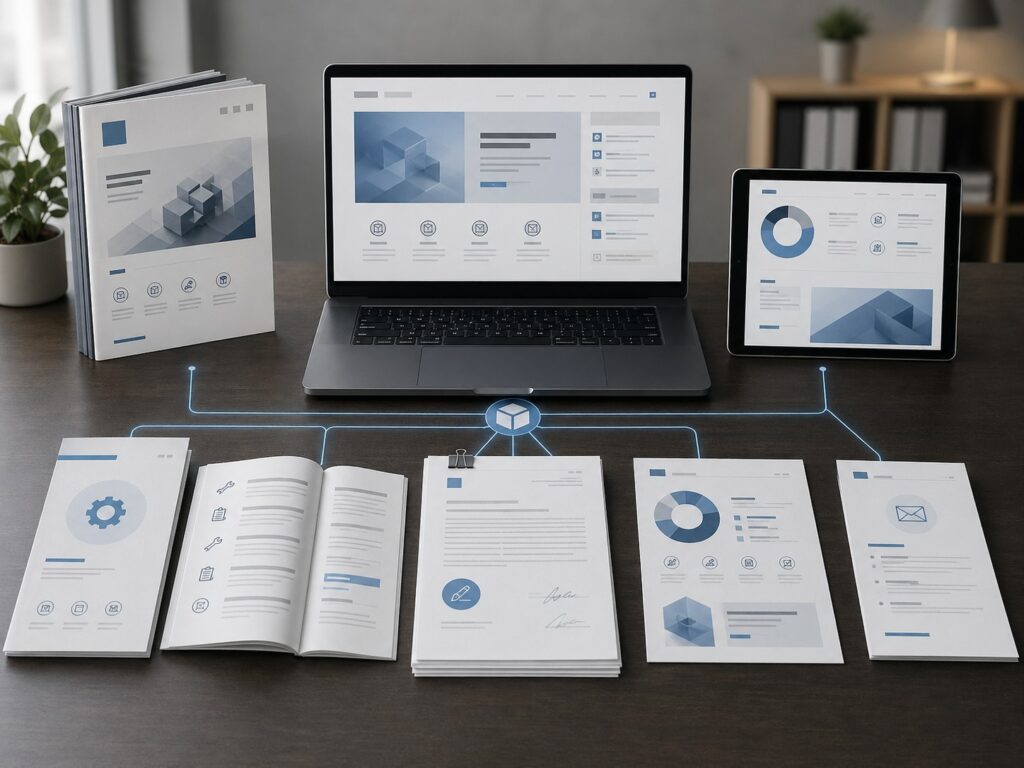 Website localization is much more than translating text. It means shaping your content around how people actually search, compare providers, evaluate benefits, and decide whether to contact you. The right wording can make calls to action more convincing, product benefits clearer, and legal, delivery, payment, or contact information easier to understand — reducing hesitation and moving customers closer to inquiry or purchase.
Our team works only with native speakers of each target language, including specialists in major, less common, and African languages. We help companies turn their websites into stronger market-entry tools: clearer first impressions, more qualified inquiries, fewer repeated questions, smoother customer journeys, and better visibility among audiences competitors often overlook. Your website should not feel translated — it should feel built for the market you want to win.
📚 Consistent Terminology Builds Customer Trust
As companies grow, their content grows with them: websites, catalogs, presentations, manuals, contracts, emails, campaigns, product sheets, and support materials. When the same product, service, feature, or process is described in different ways, customers may start to hesitate — even if they cannot always explain what feels unclear. Consistent terminology helps your offer feel more polished, professional, and easier to understand from the very first touchpoint.
Inconsistent wording can quietly slow down sales. It can make offers harder to compare, create extra questions for customer support, complicate onboarding, and lead to misunderstandings during implementation. In technical, medical, legal, financial, and B2B communication, even small differences in wording can affect credibility and make a company appear less precise, less reliable, or less ready for international markets.
Professional terminology management helps protect clarity, trust, and brand consistency across languages, teams, and markets. By keeping key terms, product names, service descriptions, and industry-specific vocabulary consistent, businesses can improve translation quality, reduce repeated corrections, speed up future projects, and communicate with one clear voice. The result is smoother customer journeys, fewer misunderstandings, and a stronger impression of professionalism wherever your business operates.
Check our social media: Facebook / LinkedIn
If you want to read about previous years with MD Online, click here!


Leave a Reply